Hand Embroidering a Tablecloth: A Designer Review
As an experienced embroidery designer who has spent years translating brand visions into tangible threads, I approach every new design asset with a critical eye. My goal is always to determine if a concept works for the high-stakes world of small business merch, custom apparel, and professional branding. Today, I am reviewing Hand Embroidering a Tablecloth - Learn 7 Stitches and Pattern Design. While this offering is categorized under Classes within the broader realm of Embroidery, its potential impact on a boutique or handmade brand extends far beyond a simple home decor tutorial. This review evaluates how the skills and patterns taught in this class can be adapted for branded patches, staff uniforms, and premium merchandise.
First Impressions: Aesthetic and Brand Potential
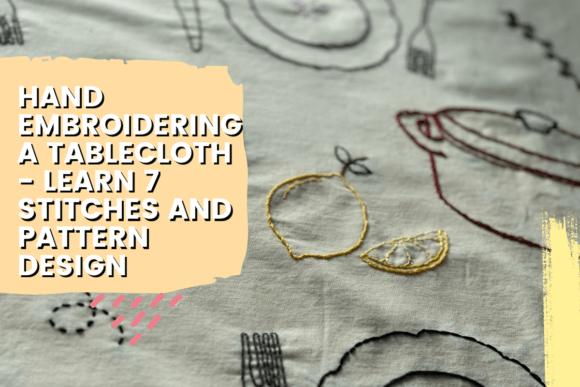
The title alone suggests a rustic, authentic, and highly tactile aesthetic. When I visualize the outcome of Hand Embroidering a Tablecloth - Learn 7 Stitches and Pattern Design, I see a style that screams "crafted by hand." For small business owners, particularly those running bakeries, florists, or artisanal boutiques, this visual language is gold. It conveys a sense of care, tradition, and quality that mass-produced machine embroidery design often struggles to replicate authentically.
However, from a commercial standpoint, the first impression must also be one of scalability. Does this design feel too delicate for a heavy-duty apron? Is it bold enough for a cap embroidery logo? The description highlights learning to customize a pattern to fit any size, which is a crucial feature for brand consistency. If your brand identity relies on a "slow living" or "farm-to-table" narrative, the motifs derived from this class offer a perfect vehicle for storytelling. They feel friendly yet elegant, avoiding the sterile look of standard vector logos while maintaining enough structure to function as a recognizable mark.
Translating Tablecloth Patterns to Business Merchandise
The core value of Hand Embroidering a Tablecloth - Learn 7 Stitches and Pattern Design lies in its adaptability. In my studio, we often take traditional motifs and repurpose them for modern commercial applications. Here is how I see these specific stitches and patterns performing across various product lines:
- Staff Uniforms and Aprons: The intricate floral or geometric borders often found in tablecloth designs translate beautifully into apron embroidery. Instead of a full cover, a simplified version of the border can be stitched along the chest pocket or hem of a linen apron. This adds a touch of sophistication without overwhelming the garment.
- Branded Patches: One of the most versatile uses for these designs is creating custom woven or embroidered patches. The "7 stitches" mentioned likely include foundational techniques like backstitch, satin stitch, and French knots. These create texture that stands out on a patch. A small business can use these patches on denim jackets, tote bags, or even as detachable badges for event staff.
- Tote Bags and Shopping Sacks: A tote bag design featuring a segment of the tablecloth pattern serves as a walking billboard for your shop. Because the pattern is designed to repeat, it creates a cohesive look when placed near the handle or across the bottom of the bag.
- Product Packaging Accents: For brands selling physical goods, a small embroidered tag attached to packaging elevates the unboxing experience. Using a motif from this class ensures the packaging feels consistent with the brand's handmade ethos.
The ability to customize the pattern size, as promised in the course description, is vital here. A large-scale tablecloth border might need to be condensed significantly to fit a sleeve detail or a cap embroidery front. Understanding how to scale these elements without losing their charm is exactly what separates a hobbyist from a professional designer.
Critical Considerations for Commercial Use
While the aesthetic appeal is strong, there are specific areas where Hand Embroidering a Tablecloth - Learn 7 Stitches and Pattern Design requires careful handling before being deployed in a production environment. As a designer, I advise caution in the following scenarios:
- Small Patch Sizes: Intricate hand embroidery details can get lost when scaled down. If you plan to use a complex corner motif from the tablecloth design on a tiny button or a small cap patch, simplify the pattern. Reduce the number of thread colors and remove fine details that may blur together.
- Stitch Density and Fabric Texture: Hand embroidery often involves varying stitch densities. On textured fabrics like canvas or heavy wool, high-density areas might pucker or distort the fabric. Always test the design on the actual material intended for the final product.
- Durability and Washing: Unlike machine embroidery which is often locked down tightly, some hand stitches used in tablecloths (like loose French knots) may not withstand industrial washing cycles. For staff uniforms that require frequent laundering, reinforce the design or choose sturdier stitch variations.
- Curved Surfaces: Applying a straight tablecloth border to a curved surface, such as the brim of a cap or the shoulder of a shirt, requires significant adaptation. You cannot simply stretch a digital file; you must redesign the curve manually to ensure the pattern flows naturally.
Impact on Brand Identity and Customer Trust
In the crowded marketplace of Etsy sellers and local crafters, differentiation is key. Utilizing a design system based on Hand Embroidering a Tablecloth - Learn 7 Stitches and Pattern Design can significantly boost your brand identity. It signals to the customer that you value craftsmanship over speed. When a client sees a finished product with unique, hand-inspired stitching, their perception of product value increases immediately.
This approach fosters trust. Customers today are savvy; they can spot generic clip art from a mile away. By using custom-adapted patterns, you show attention to detail. This visual consistency across your design assets—from your website mockups to your physical merchandise—creates a cohesive brand story. Whether it is a printable mockup sent to a client for approval or the actual item worn by your team, the quality of the embroidery reflects directly on the professionalism of your business.
Practical Designer Notes for Implementation
If you decide to integrate the skills and patterns from this class into your business workflow, follow these practical steps to ensure success:
- Test in Black and White First: Before committing to expensive thread colors, sketch or digitize the design in grayscale. This helps you evaluate contrast and visibility, especially on dark uniforms.
- Verify Hoop Size and Stabilizer: Even though this is a hand-embroidery class, if you are adapting it for a machine, check the required hoop size. Ensure you use the correct stabilizer to prevent puckering, especially on delicate linens or heavy denims.
- Create a Mockup for Approval: Never skip the printable mockup stage. Show the client or your team how the design looks on the actual garment. This prevents costly reworks later.
- Check Licensing: Since this is a Class, verify the terms of use. Can you sell items made with these patterns commercially? Ensure you have the right to use the digital embroidery file or the pattern concepts for commercial embroidery projects.
- Compare Against Existing Assets: Place the new design next to your current logos and branding materials. Does it clash? Does it complement? Consistency is the hallmark of a mature brand.
Ultimately, Hand Embroidering a Tablecloth - Learn 7 Stitches and Pattern Design offers more than just a DIY project; it provides a toolkit for building a distinct, high-quality brand presence. By understanding how to adapt these traditional techniques for modern merchandise, small business owners can create products that stand out in a sea of sameness. Whether it is a subtle accent on a chef's hat or a bold statement on a tote bag, the right embroidery can turn a simple item into a cherished piece of brand memorabilia.