Horror April Strange: A Craft Fair Review
As an experienced embroidery designer preparing for the upcoming weekend craft fair season, I spend hours evaluating new machine embroidery design assets to see which ones will translate into profitable handmade products. Today, I am reviewing a file titled Horror April Strange, specifically the Audrey Embroidery File version. This piece falls squarely into the Halloween category, but its potential extends beyond just one spooky holiday. The description notes that this is a versatile embroidery file compatible with multiple formats and machines, which is the first green light for any serious Etsy seller or boutique maker looking to expand their inventory.
First Impressions of the Horror April Strange Design
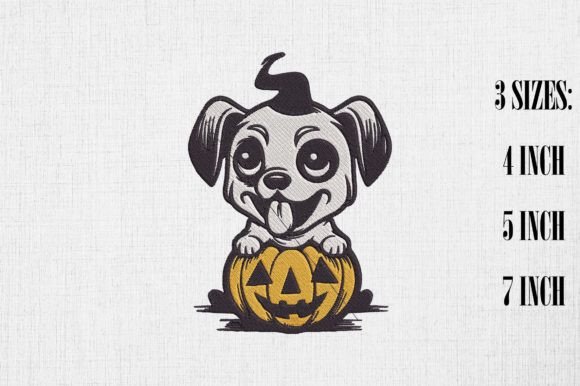
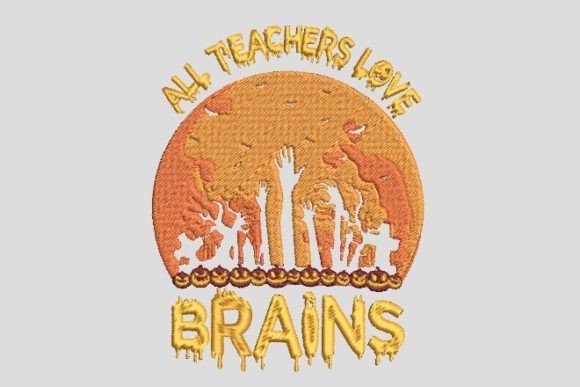
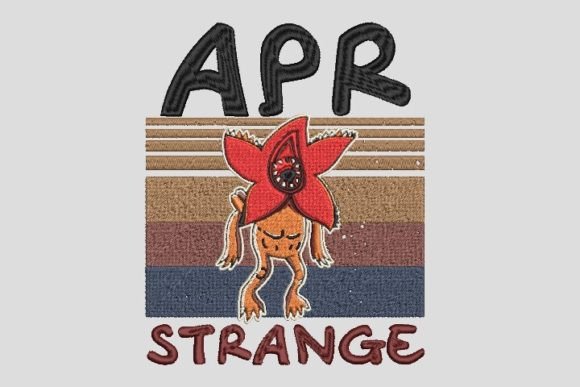
When I first loaded the preview of Horror April Strange onto my screen, the aesthetic struck me as a unique blend of bold and whimsical. It does not feel like traditional, gore-filled horror; instead, it leans towards a "cute-spooky" vibe that has been dominating social media trends for handmade goods. The design feels modern yet retains a rustic charm that fits perfectly with the farmhouse-style decor many craft fair shoppers love. For a craft fair product, this balance is crucial. It allows the item to be approachable for families while still offering that edgy appeal that draws in older teens and young adults looking for something different from standard pumpkin motifs.
The visual weight of the design suggests it can function well as a focal point. In a sea of generic black cats and bats, Horror April Strange stands out because of its character-driven nature. If you are planning a booth display, this design has the power to stop a customer in their tracks. It feels premium enough to justify a higher price point on a finished product, provided the execution matches the quality of the digital file.
Product Applications: Where Does It Shine?
To determine the best way to monetize this digital embroidery file, I mentally placed the design on various substrates. Here is how Horror April Strange performs across different product categories:
- Tote Bags: This is likely the highest volume seller. A large print of the design on a canvas tote bag makes a strong statement. The sturdy fabric holds up well against the stitch density usually found in character designs. It becomes an instant conversation starter at the market.
- Apron Embroidery: Placing the design on the bib of a linen apron creates a charming kitchen accessory. The contrast between the spooky theme and the domestic utility of an apron is a proven sales driver in the handmade sector.
- Tea Towel Embroidery: Cotton towels offer a great texture. However, one must be careful with the loop count of the towel to ensure the details of the "Audrey" character do not get lost in the weave.
- Embroidered Patch: Creating patches is an excellent low-cost entry point. These can be sold individually or used to embellish denim jackets and backpacks, increasing the perceived value of your other items.
- Caps and Pouches: Smaller applications work well here, provided the design scales down without losing clarity. A small accent on the front of a cap adds a subtle touch of Halloween flair.
- Pillow Covers: For home decor lovers, a throw pillow featuring this design adds a seasonal pop to a living room, making it a perfect gift item.
Production Practicalities for Small Shop Owners
While the concept is exciting, the reality of production requires a critical eye. As a designer, I know that a beautiful digital file can fail if the physical execution is poor. Before committing to a batch run of Horror April Strange, you must consider the technical aspects.
Stitch Density and Detail: Character designs often contain fine lines and facial features. If the stitch density is too high, the fabric may pucker, especially on thinner materials like tea towels. Conversely, if there are tiny details, they might disappear when scaled down for a patch or cap. Always check the smallest elements in the embroidery file before stitching on your final product.
Fabric Texture and Stabilizer: The success of this design heavily relies on the backing. On textured fabrics like burlap or heavy canvas, the thread needs to sit flat. Using the right stabilizer is non-negotiable. For dark fabrics, which are common for Halloween themes, a cutaway stabilizer and high-contrast thread colors are essential to make the design pop. Without proper contrast, the intricate details of the "Strange" character could look muddy.
Batch Production Viability: One of the strengths of this design is its repeatability. Once you have dialed in the hoop settings and thread tension, producing ten or twenty units should be straightforward. This efficiency is vital for maximizing profit margins at a busy craft fair.
Visual Appeal and Customer Engagement
In the competitive world of handmade markets, visual appeal drives sales. Horror April Strange offers a distinct advantage because it tells a story. Customers are drawn to items that express personality. When displayed on a table alongside printable mockups or actual finished samples, the design invites people to imagine it in their own homes or wardrobes.
For the Etsy seller, photography is key. This design photographs exceptionally well due to its character focus. Close-up shots of the stitching highlight the craftsmanship, reinforcing the "handmade" value proposition. When listing these items online, ensure your photos show the texture of the thread against the fabric. This transparency builds trust and reduces return rates.
Furthermore, the design supports brand consistency. If your shop focuses on quirky, slightly offbeat home goods, this commercial embroidery asset aligns perfectly. It strengthens your brand identity, making your booth or online store memorable compared to competitors selling generic stock designs.
Essential Designer Notes Before You Stitch
Before you turn this digital embroidery file into a revenue stream, follow these professional steps to ensure success:
- Test on Scrap Fabric: Never skip this step. Stitch the design on a scrap piece of the exact fabric you plan to use. Check for puckering, thread breaks, or skipped stitches.
- Verify Hoop Size: Confirm that the design fits within your machine's hoop size. If it is too close to the edge, you risk damaging the fabric or the hoop.
- Check Thread Contrast: Ensure the thread colors you select stand out against the background fabric. Dark backgrounds require bright or metallic threads for maximum visibility.
- Review Licensing: Although the description states this is a multi-format file, always confirm the commercial licensing terms. Ensure you are permitted to sell the finished handmade product before launching your sales.
- Create Real Mockups: While digital previews are helpful, nothing sells like a real sample. Create at least one physical mockup to photograph for your listings and to display at your booth.
- Inspect Spacing: If you are placing text near the design, leave adequate spacing to prevent the lettering from getting lost in the dense stitch areas.
In conclusion, Horror April Strange is a strong contender for your fall and Halloween collection. It balances trendiness with practicality, offering a wide range of application possibilities from tote bag design to home decor. By paying attention to the technical details of stitching and presentation, you can transform this design asset into a top-selling item that enhances your reputation as a skilled creative entrepreneur. Whether you are a seasoned small shop product maker or just starting your journey in commercial embroidery, this file offers the versatility needed to create standout pieces that customers will love.