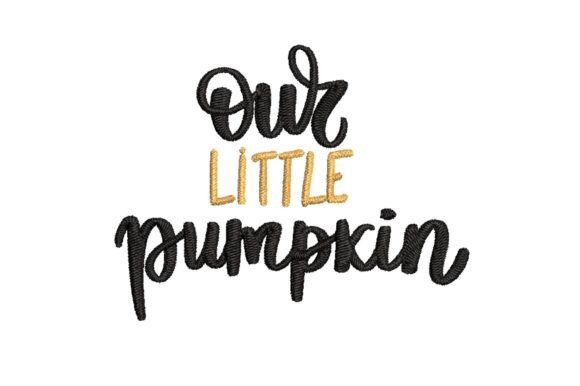
Our Little Pumpkin: A Designer's Review
As an embroidery designer who has spent years navigating the delicate balance between artistic vision and machine limitations, I approach every new machine embroidery design with a critical eye. The seasonal market moves fast, especially when Halloween approaches, and finding designs that translate well from screen to fabric is often the hardest part of the job. Recently, I evaluated Our Little Pumpkin, a Creative Fabrica embroidery product specifically marketed for baby clothes. My goal was simple: determine if this digital asset could hold up under the pressure of real-world commercial projects or if it was just another pretty file destined for the scrap bin.
First Impressions: Visual Mood and Stitch Personality
When I first opened the preview files for Our Little Pumpkin, the visual mood immediately struck me as wholesome and inviting. Unlike many spooky Halloween designs that rely on jagged edges and aggressive colors, this piece leans into the softer side of the season. It features a cute pumpkin character that feels perfectly scaled for delicate applications. The design personality suggests a blend of playful charm and classic autumnal warmth, making it an ideal candidate for custom apparel intended for infants and toddlers.
The detail level appears manageable without being overly complex. In my experience, high-detail designs often struggle on stretchy fabrics common in baby wear. However, the line work in Our Little Pumpkin seems to utilize a balanced mix of satin stitch and fill stitch. This combination is crucial for creating definition without adding excessive bulk, which is a primary concern when embroidering on soft cottons or knits. The decorative appeal is high, offering a focal point that can elevate a plain onesie or a simple bib into a standout handmade product.
Performance in Real Embroidery Work
Before committing to a customer order, I always simulate how a design will perform on various substrates. For Our Little Pumpkin, I envisioned several use cases beyond the advertised baby clothes. While it is optimized for infant garments, its versatility extends to tote bag design, kitchen towels, and even embroidered patch applications. Imagine a small canvas tote bag featuring this pumpkin; the contrast of the orange thread against natural canvas would be striking.
I also considered using it for sweatshirt embroidery on toddler hoodies. The key here is placement. Because the design is compact, it works beautifully on the chest area without overwhelming the garment. For those running an Etsy shop or selling at craft fairs, having a design that fits multiple product categories increases your inventory flexibility. You could create a cohesive collection ranging from nursery decor like pillow covers to seasonal aprons for young children helping in the kitchen. The ability to use one digital embroidery file across such a wide range of items makes it a smart addition to any commercial embroidery library.
Navigating Practical Challenges
Every design comes with potential pitfalls, and Our Little Pumpkin is no exception. One of the most critical factors to consider is the hoop size. Since this is designed for baby clothes, it likely fits within a 4x4 inch hoop, but you must confirm this before starting. If you are working with larger hoops, ensure the design doesn't look lost or out of proportion. Conversely, if you attempt to scale it down further for tiny accessories like caps, you risk losing the intricate details that give the pumpkin its character.
Stitch density is another area requiring attention. Dense areas can cause puckering, especially on lightweight fabrics used for baby items. I recommend testing the design on a scrap piece of the exact fabric you intend to use. Pay close attention to the transition between the pumpkin's body and its stem. If the stitch density is too high, you may need to adjust your machine settings or add a heavier stabilizer to prevent distortion. Using a tear-away stabilizer for woven fabrics and a cut-away for knits will make a significant difference in the longevity of the finished product.
Furthermore, consider the fabric texture. On textured fabrics like fleece or heavy terry cloth, fine lines might get lost. In such cases, adjusting the thread colors to ensure higher contrast is essential. A dark orange thread on a light grey sweatshirt will pop, whereas a pale yellow might disappear. Always compare light and dark fabric mockups in your planning phase to visualize the final result accurately.
Impact on Product Value and Brand Consistency
In the competitive world of handmade goods, the quality of your design assets directly influences buyer trust. Our Little Pumpkin offers a professional look that can significantly enhance the perceived value of your items. When a customer sees a well-executed, charming design on a baby blanket or a personalized gift, they associate that quality with your brand. This consistency helps build a loyal customer base that returns for future seasons.
For Etsy sellers and boutique owners, presentation is everything. High-quality printable mockup images featuring this design can drive engagement on social media and product listings. The cute aesthetic of the pumpkin naturally appeals to parents looking for unique, seasonal gifts. By incorporating this design into your design assets, you can create a narrative around your products—perhaps a "Little Pumpkin Collection" that includes matching hats, blankets, and shirts. This cohesive branding strategy not only improves product photography but also tells a story that resonates with buyers.
Practical Embroidery Notes for Success
To ensure the best results with Our Little Pumpkin, follow these practical steps before launching into production:
- Test on Scrap Fabric: Never skip the test run. Stitch the design on a scrap piece of your intended material to check for puckering, registration issues, or thread breaks.
- Check Thread Color Contrast: Ensure the orange and green threads stand out clearly against your background fabric. Adjust shades if necessary to maintain visibility.
- Review Stitch Density: Inspect the fill areas closely. If the fabric looks stiff after stitching, reduce the density slightly or switch to a lighter weight thread.
- Confirm Hoop Size: Verify that the design fits comfortably within your hoop without stretching the fabric excessively, which can lead to poor stitch quality.
- Use Proper Stabilizer: Choose a stabilizer appropriate for your fabric type. Baby clothes often require gentle handling, so a water-soluble stabilizer might be beneficial for sensitive materials.
- Inspect Small Details: After stitching, examine the eyes, stem, and facial features. These small elements define the character, and any missed stitches can ruin the effect.
- Verify Licensing: Before selling finished items, carefully review the licensing terms on the Creative Fabrica product page. Ensure you have the correct license for commercial embroidery to avoid legal issues.
Final Thoughts on Our Little Pumpkin
After thoroughly evaluating Our Little Pumpkin, I believe it is a valuable asset for designers looking to expand their seasonal offerings. Its focus on baby-friendly aesthetics, combined with a versatile structure, makes it suitable for a variety of handmade products. Whether you are decorating a single custom order or producing a batch of personalized gifts for the holiday rush, this design holds promise.
However, success depends on execution. By paying attention to hoop size, stabilizer choice, and fabric compatibility, you can transform this machine embroidery design into a premium item that customers will love. As with any digital embroidery file, the devil is in the details. Take the time to test, refine, and present your work professionally, and Our Little Pumpkin will undoubtedly become a favorite in your Halloween collection. For those seeking a reliable, cute, and commercially viable design, this product from Creative Fabrica is certainly worth considering for your next project.