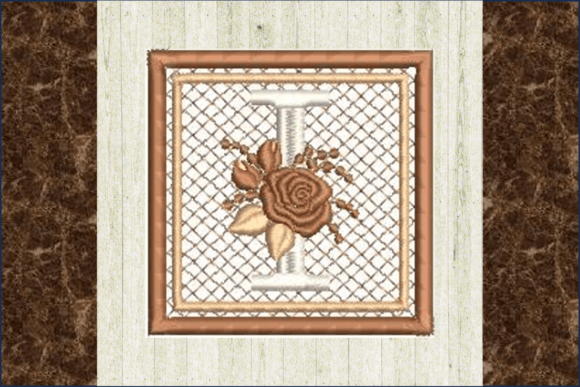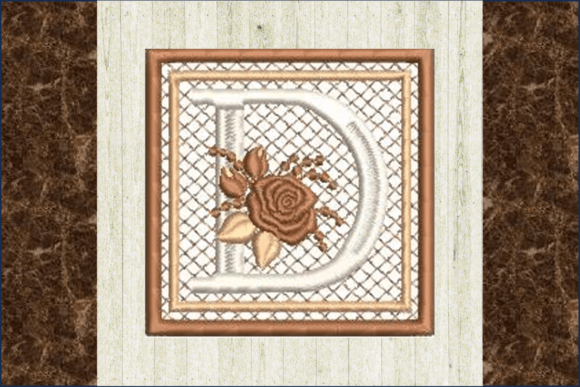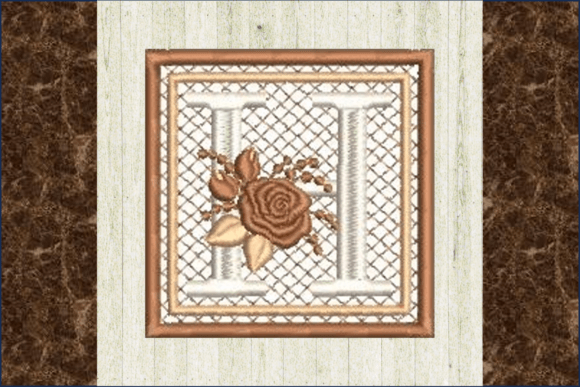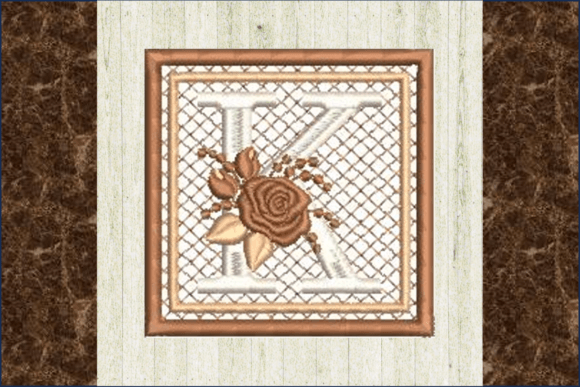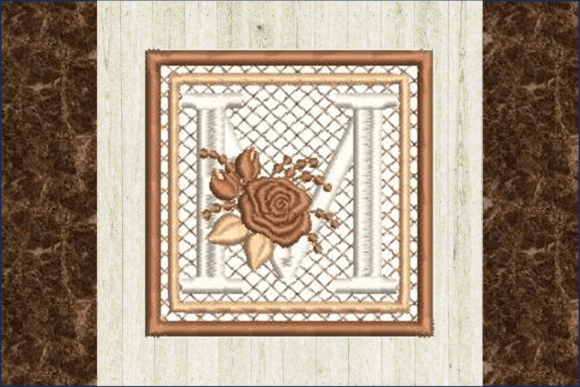
Rose Mini Quilt M: A Designer's Real-World Review
As a designer who has spent years navigating the delicate balance between digital files and physical thread, I approach every new machine embroidery design with a critical eye. We are not just looking at pixels on a screen; we are visualizing how that pattern translates into a tactile finished product. Today, I am evaluating the Rose Mini Quilt M, a design that promises to bring a touch of classic charm to your embroidery project. Before you download this file or commit it to a client order, let’s break down exactly how it performs in the real world.
First Impressions: Mood and Visual Personality
When I first opened the preview for Rose Mini Quilt M, the immediate feeling was one of cozy nostalgia. The layout suggests a structured yet soft aesthetic, perfectly aligning with the "mini quilt" theme. It is not an overly aggressive floral statement but rather a refined accent piece. The shape feels balanced, which is crucial when you are planning a personalized gift or a boutique item where symmetry matters. For an Etsy seller or a small shop product owner, this kind of visual personality is gold. It signals quality without shouting for attention.
The design seems to rely on a mix of fill stitch and perhaps some satin stitch borders to define the rose petals and quilt blocks. This combination usually results in a rich texture that catches the light beautifully. However, the true test lies in how these elements hold up when stitched onto actual fabric. Does the detail get lost? Does the density cause puckering? These are the questions I ask before adding any digital embroidery file to my library.
Real-Life Application: From File to Fabric
Let’s imagine a specific scenario: You are preparing a batch of custom embroidered tote bags for a local craft fair. You want something that elevates a simple canvas bag into a premium handmade product. Placing the Rose Mini Quilt M on the lower corner of a natural linen tote creates an instant focal point. The design’s structure works well here because it doesn't require a massive hoop area, making it efficient for production runs.
I also see immense potential for custom apparel, specifically sweatshirts. Imagine a crewneck sweatshirt in a soft heather grey with the Rose Mini Quilt M stitched on the left chest. The contrast between the dark thread and the fabric would make the rose pop, while the quilt motif adds a layer of warmth appropriate for winter wear. This is the kind of sweatshirt embroidery that customers photograph and share on social media, driving organic traffic to your brand.
For those focusing on home goods, this design fits seamlessly into nursery decor or kitchen linens. A baby embroidery project using this design on a muslin blanket or a pillow cover offers a gender-neutral, timeless look. Parents love items that feel curated and thoughtful. Similarly, as a kitchen towel accent, the Rose Mini Quilt M adds a decorative flair that makes a functional item feel like a holiday gift or a wedding present.
Navigating Challenges: Where Caution is Needed
While the Rose Mini Quilt M is versatile, experienced designers know that no design is foolproof. There are specific situations where you must exercise caution. First, consider the hoop size. If the design is intended for a small hoop, ensure your machine can handle the density without running out of space. Small hoops on stretchy fabrics can lead to distortion if the stabilizer isn't perfect.
Fabric texture is another critical factor. On highly textured fabrics like heavy denim or thick fleece, fine details within the rose petals might get swallowed by the weave. In such cases, you might need to adjust the stitch density or opt for a bolder thread color to maintain visibility. Conversely, on thin or sheer fabrics, the weight of the stitches could cause significant puckering. Always use the appropriate stabilizer—tear-away for wovens and cut-away for knits—to keep the design flat and professional.
If you plan to use this on curved surfaces like caps, be mindful of the layout. The rigid nature of a "quilt" block design might not drape naturally over the curve of a hat panel. It often looks better on flat panels or as an embroidered patch that is sewn on later. Additionally, avoid placing dense areas of the design near seams or edges where the fabric might fray under the tension of the needle.
Testing for Success
Before committing to a paid order or a large batch of commercial embroidery, always test the Rose Mini Quilt M on scrap fabric first. Check the thread colors against your background material. A design that looks stunning in a printable mockup might look muddy in person if the contrast is off. Inspect the small details closely; sometimes, tiny lettering or intricate lines need to be simplified for smaller scales.
Review the stitch count and density settings on your machine. If the design feels too tight, it will pull the fabric. If it is too loose, the backing might show through. For dark fabric, you may need to add a layer of underlay or a top layer of white stitching to make the colors vibrant. Remember, the goal is to create a finished product that inspires customer trust and reflects your brand consistency.
Business Value and Commercial Viability
For the creative entrepreneur or apparel decorator, the value of a design like Rose Mini Quilt M extends beyond aesthetics. It impacts buyer engagement and perceived value. A well-executed embroidery design transforms a commodity into a unique offering. When customers see the precision of the running stitch or the smoothness of the satin work, they recognize the craftsmanship involved.
This design is particularly effective for building a cohesive collection. Whether you are selling scarves, bath towels, or aprons, using a consistent motif helps establish your brand identity. It allows you to create a series of products that tell a story. As an Etsy seller, having high-quality design assets like this allows you to expand your catalog quickly without sacrificing quality.
However, always confirm the licensing terms before selling finished items. While the product description mentions multiple embroidery file formats suitable for various machines, you must ensure you have the right to sell the physical goods created with this file. Some licenses restrict commercial use, so read the fine print carefully to protect your craft business.
Final Verdict
The Rose Mini Quilt M is a strong contender for anyone looking to add a touch of elegance to their Sewing and Embroidery projects. Its versatility makes it suitable for everything from holiday embroidery gifts to everyday tote bag designs. By understanding its strengths and limitations, you can leverage this design to create professional, high-value items that resonate with your customers. Test it, refine your technique, and watch your handmade offerings stand out in a crowded market.