Smiling Bread: A Professional Embroidery Design Review
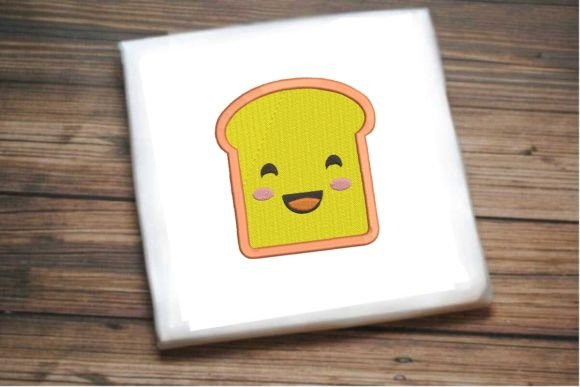
As an experienced embroidery designer who has spent years translating digital concepts into tangible threads for small businesses, I approach every new machine embroidery design with a critical eye. My focus is never just on whether a pattern looks cute; it is about whether it performs under the rigors of commercial production. Today, I am reviewing Smiling Bread, a design described as a "lovable piece of smiling bread, crafted with meticulous precision." For boutique owners, bakery managers, and merch creators looking to inject warmth into their brand, this embroidery file presents a unique opportunity. However, before you purchase or license this asset for your next run of small business merch, we need to dissect its potential for real-world application.
First Impressions: Visual Personality and Brand Alignment
When I first opened the preview for Smiling Bread, the immediate reaction was one of approachability. In the world of branding, especially within the Food category, trust is built through familiarity and friendliness. This design does not scream corporate minimalism; instead, it whispers "handmade," "rustic," and "community-focused." The concept of a smiling loaf of bread is inherently whimsical, yet the description promises "meticulous precision," which suggests that the stitch work avoids the messy, over-stitched look often found in lower-quality designs.
For a local café, a sourdough bakery, or a handmade artisan studio, this design serves as an excellent visual anchor. It moves away from generic logos and establishes a distinct brand identity. If your business values are rooted in comfort, warmth, and personal connection, Smiling Bread aligns perfectly. It transforms a simple commodity like bread into a character that customers can relate to, potentially increasing buyer engagement and making your finished product feel more special than mass-market alternatives.
Performance in Real Business Applications
The true test of any digital embroidery file lies in how it translates across various substrates and merchandise types. Here is how I envision Smiling Bread performing in a professional setting:
- Embroidered Patches: This is likely the strongest use case. The defined shape of the bread allows for clean satin stitching around the perimeter, creating a durable patch that can be sewn onto denim jackets, canvas tote bags, or even leather aprons. A high-quality patch featuring this design adds significant perceived value to your inventory.
- Apron Embroidery: For staff uniforms in bakeries or cafes, placing this design on the chest pocket or the bib of an apron creates a cohesive team look. It signals to customers that the people behind the counter are friendly and passionate about their craft.
- Cap Embroidery: On the front of a structured cap, the rounded nature of the bread fits well within standard 3-inch hoops. It offers a playful alternative to text-heavy logos, making it ideal for promotional events or giveaways.
- Tote Bag Design: As a central motif on a cotton tote bag, Smiling Bread stands out against natural fabrics. It works beautifully as a standalone graphic without needing additional text, keeping the design clean and modern.
- Product Packaging Accents: Imagine a fabric gift bag or a reusable produce sack branded with this design. It elevates the unboxing experience for customers purchasing your baked goods or handmade items.
Critical Considerations for Commercial Use
While the charm of Smiling Bread is undeniable, there are specific scenarios where caution is required. As a designer, I always advise my clients to consider the limitations of the medium before committing to a bulk order.
First, consider stitch density. If the smile or facial features are too intricate, they may become muddy when embroidered on textured fabrics like heavy canvas or thick wool. You must ensure the design scales down effectively. If you plan to use this on a tiny buttonhole or a very small patch, the details might get lost. Always check if the embroidery file maintains clarity at smaller dimensions.
Second, think about color contrast. A smiling face requires clear definition between the eyes, mouth, and the bread crust. On dark uniforms, you will need a dense underlay or a light-colored thread palette to make the expression pop. Without proper thread colors selection, the "smile" could appear flat or indistinguishable.
Third, be mindful of curved surfaces. While caps are common, applying this design to a highly curved surface like a baseball hat brim or a cylindrical water bottle requires careful hooping and stabilizer placement to prevent puckering. The "meticulous precision" mentioned in the description should help, but the physical constraints of the machine remain.
Impact on Brand Identity and Customer Trust
Incorporating Smiling Bread into your product line goes beyond mere decoration; it influences how customers perceive your business. A consistent visual language builds recognition. When a customer sees this cheerful loaf on a uniform, a bag, and a patch, it reinforces your brand's personality. It suggests a business that cares about the details and enjoys what it does.
This level of attention to detail fosters trust. In the era of mass production, a well-executed custom apparel item feels premium. It tells the customer that you invest in quality, which they then associate with the quality of your food or services. Whether you are selling on Etsy, running a physical storefront, or producing event merch, this design acts as a subtle ambassador for your brand values.
Practical Designer Notes for Implementation
If you decide to move forward with Smiling Bread, follow these professional steps to ensure a flawless result:
- Test in Black and White: Before ordering colored thread, run a test using a single black thread. This reveals the structure of the design, highlights any gaps in coverage, and ensures the facial features are legible.
- Verify Hoop Size: Confirm that the design fits comfortably within your machine's hoop without stretching the edges. Over-hooping can distort the round shape of the bread.
- Select the Right Stabilizer: For items like tote bags or aprons, use a tear-away or cut-away stabilizer appropriate for the fabric weight. Proper stabilization prevents shifting during the embroidery process.
- Create a Printable Mockup: Generate a realistic mockup showing the design on your actual products. This is crucial for client approval or for showcasing the design on your website before production begins.
- Check Commercial Licensing: Ensure you have the rights to use this digital embroidery file for commercial purposes. Some designs are for personal use only, so verify the terms before printing hundreds of patches.
- Inspect Spacing: If you plan to add text below the bread (like your shop name), leave adequate spacing. Crowding the design can ruin the balance and make the "smile" hard to see.
Ultimately, Smiling Bread is a versatile asset for creative studios and small businesses aiming to humanize their brand. By treating it with the same care as any other professional design element—testing, planning, and executing with precision—you can turn a simple image into a powerful tool for commercial embroidery success. Whether it ends up on a chef's hat or a customer's shopping bag, the warmth it brings to your brand is worth the investment.