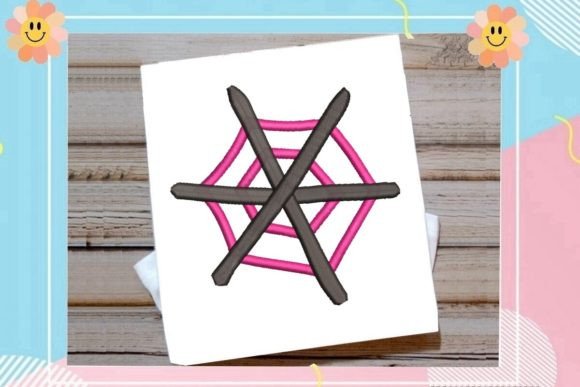
Tiny Halloween Spider Web Design Review
As an embroidery designer who has spent years translating digital concepts into tangible threads for small businesses, I approach every new machine embroidery design with a critical eye. The goal is never just to make something look pretty; it is to ensure the design holds up under the rigors of commercial production and enhances brand identity. Today, I am reviewing the Tiny Halloween Spider Web, a motif described as infusing "Halloween intrigue" with "delicate yet captivating details." For owners of boutiques, bakeries, and creative studios looking to add seasonal flair to their merchandise, this review breaks down whether this specific embroidery file is ready for your production line.
First Impressions: Professional Charm or Just Decorative?
When I first load the Tiny Halloween Spider Web into my digitizing software, the immediate impression is one of refined spookiness. It avoids the cartoonish exaggeration often found in generic holiday assets. Instead, the intricate lines suggest a handmade, artisanal quality that aligns well with premium brands. For a small business selling high-end goods, the design feels less like a temporary decoration and more like a subtle signature element. It strikes a balance between playful and elegant, making it versatile enough for a rustic coffee shop or a modern urban apparel label.
The description promises "spooky charm," and visually, the web structure delivers on this without overwhelming the garment. In the context of brand identity, this subtlety is crucial. A design that screams too loudly can cheapen a product, but a delicate web motif adds texture and interest. It suggests attention to detail, which is exactly what customers expect from custom apparel created by local artisans or boutique brands.
Real-World Applications for Small Business Merch
The true test of any digital embroidery file is its performance across various substrates and product types. Here is how the Tiny Halloween Spider Web performs when applied to real-world business scenarios:
- Embroidered Patches: This design excels as a detachable patch. Its compact nature makes it perfect for ironing onto denim jackets, tote bags, or backpacks. For a craft business, offering these as limited-edition seasonal patches can drive significant customer engagement.
- Staff Uniforms and Aprons: Imagine a café owner wanting to update their staff uniforms for October. Placing the Tiny Halloween Spider Web on the chest pocket of an apron or near the shoulder seam creates a cohesive team look. It serves as a great conversation starter with customers while maintaining professionalism.
- Cap Embroidery: On the front panel of a structured cap, this motif works beautifully as a standalone accent. Because it is small, it does not distort on the curved surface of the hat, ensuring the finished product looks crisp and clean.
- Tote Bag Design: For eco-friendly brands, adding this web to the corner of a canvas tote bag adds a touch of seasonal magic. It elevates a simple utility item into a collectible piece of small business merch.
- Product Packaging Accents: If you sell handmade soaps, candles, or baked goods, consider using a fabric label with this embroidery attached to your packaging. It transforms standard packaging into a premium unboxing experience.
Strategic Placement and Brand Consistency
Integrating the Tiny Halloween Spider Web into your product line requires strategic thinking about visual consistency. When used on commercial embroidery projects, the design acts as a visual anchor. It tells the customer that your brand embraces creativity and seasonality. However, consistency is key. If your brand usually features bold, geometric logos, a delicate spider web might feel out of place unless carefully integrated.
For a florist or a pet brand, the organic lines of the web mimic natural forms, creating a harmonious blend with existing branding. This visual harmony builds trust. Customers are more likely to engage with a product that feels thoughtfully designed rather than slapped together. By using this design asset consistently across caps, shirts, and tags, you reinforce recognition. Over time, that tiny web becomes synonymous with your brand's unique voice during the autumn season.
Critical Considerations for Production
While the aesthetic appeal is strong, a professional designer must always evaluate technical constraints before mass production. There are specific areas where the Tiny Halloween Spider Web requires careful handling to ensure the finished product meets quality standards.
Fabric Texture and Stabilizer Use
Because the design relies on fine lines to create its intricate look, it is highly sensitive to fabric texture. On heavy denim or thick wool, the delicate threads might get lost or appear muddy if the wrong stabilizer is used. I strongly recommend testing the design on a scrap piece of the actual fabric first. For textured materials, a cut-away stabilizer is essential to support the stitches and prevent puckering. Without proper stabilization, the "captivating details" mentioned in the description could become indistinguishable blobs of thread.
Stitch Density and Thread Colors
Another factor to monitor is stitch density. Intricate webs can sometimes suffer from thread breakage if the density is too high for the needle size. Always check the thread colors against the background fabric. While black thread on dark navy looks sleek, it may lack contrast on black fabric. For maximum visibility and impact, consider using metallic gold or silver thread to make the web pop against darker uniforms. This choice can elevate the perceived value of the handmade product significantly.
Size Limitations and Hoop Constraints
The title emphasizes "Tiny," which is both a strength and a limitation. Do not attempt to scale this design larger than intended, as the spacing between threads will widen, breaking the illusion of a continuous web. Conversely, shrinking it further risks losing definition entirely. Confirm the recommended hoop size before setting up your machine. If you are applying this to a curved surface like a cap, ensure the hoop fits snugly without distorting the fabric, which could warp the circular geometry of the web.
Practical Designer Notes for Implementation
Before committing to a full run of apron embroidery or branded caps, follow these practical steps to guarantee success:
- Test in Black and White: Run a sample using a single color to verify the stitch path and density before investing in expensive specialty threads.
- Verify Commercial Licensing: Ensure your purchase of the embroidery file includes rights for commercial use. Many digital designs are licensed for personal use only, which can lead to legal issues for growing businesses.
- Create a Printable Mockup: Generate a realistic mockup showing the design on your specific products. Share this with clients or stakeholders for approval before stitching begins.
- Inspect Spacing: If combining the web with text or other logos, leave adequate space. Crowding the design can ruin the delicate aesthetic.
- Wash Testing: For items like aprons and work shirts that require frequent washing, test the durability of the stitches after several cycles to ensure they do not fray.
Final Verdict for Merch Creators
The Tiny Halloween Spider Web is a sophisticated addition to any designer's library for the fall season. It offers a unique opportunity for small business owners to differentiate their custom apparel and seasonal gifts without resorting to clichés. Its versatility allows it to function effectively as a patch, a sleeve detail, or a subtle logo accent. However, its success depends entirely on proper execution. By paying close attention to fabric choices, stabilizers, and licensing, you can transform this digital file into a high-quality physical asset that boosts your brand's reputation.
For Etsy sellers and merch creators, this design represents a low-risk, high-reward investment. It adds a layer of "spooky charm" that customers love, provided the technical details are respected. As you plan your Halloween collection, consider how this tiny motif can serve as the finishing touch that turns a standard product into a memorable brand experience.